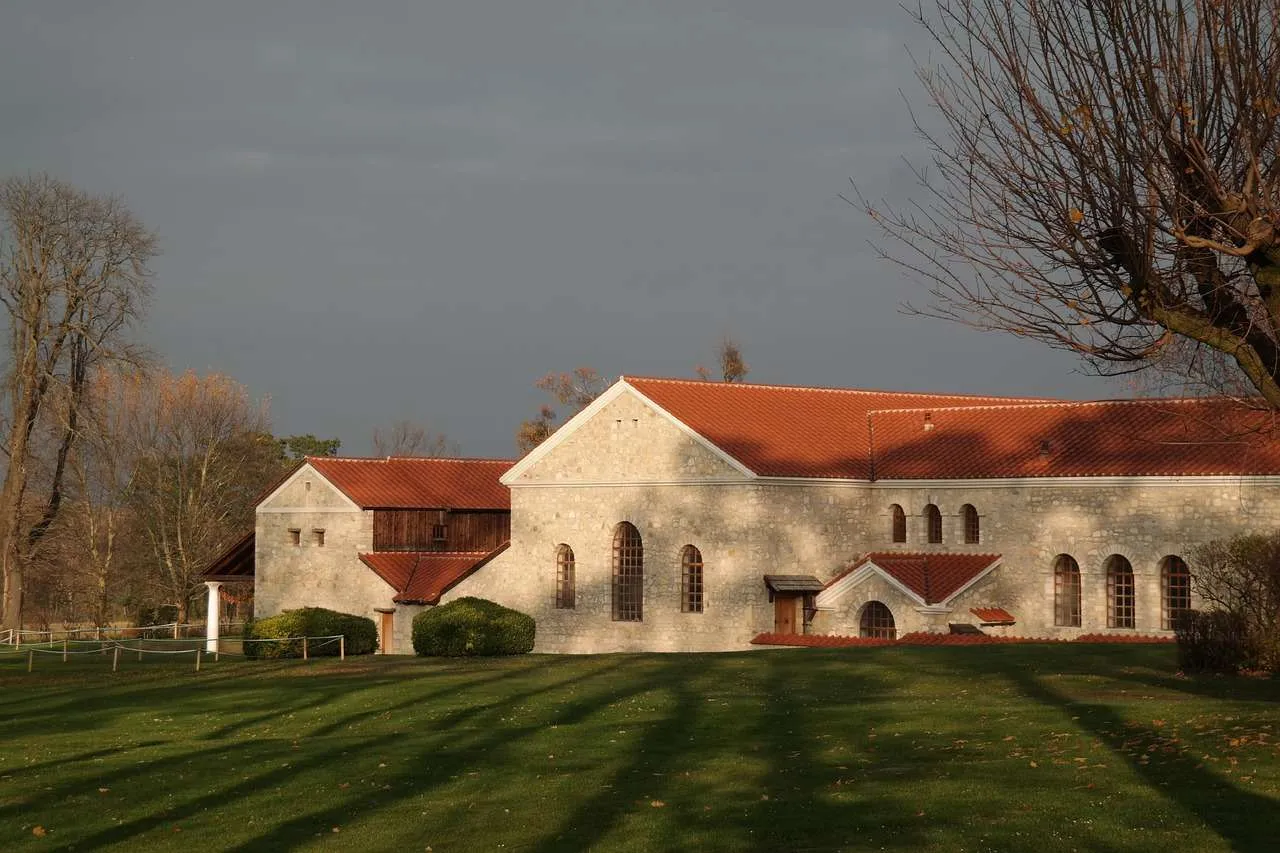
As a seasoned home improvement specialist with a focus on roofing, I know that a healthy roof protects your home and family. This guide covers roofing and roof repairs, from early signs of trouble to choosing a contractor and budgeting for projects. The aim is to help you make informed decisions that meet EEAT standards—Expertise, Authoritativeness, and Trustworthiness.
Understanding Roofing: What Every Homeowner Should Know
Roofing encompasses the materials, installation, and maintenance that keep your home protected from weather. Common roof types include asphalt shingles, metal panels, and clay or concrete tiles. Each type has distinct advantages, lifespans, and maintenance needs. Regular inspections help detect wear before leaks develop, and periodic maintenance can extend the life of any roof.
Signs You Might Need Roof Repairs
Early detection saves you money and prevents further damage. Look for:
- Missing, curling, or damaged shingles
- Dark stains or water spots on ceilings or walls
- Granules in gutters or downspouts
- Light visibility through the roof attic or ceiling with an attic inspection
- Sagging sections or excessive mildew in the attic
Any of these signs warrants a professional inspection to determine whether repairs are sufficient or a larger replacement is needed.
Roof Repairs vs Replacement: How to Decide
The choice between roof repairs and replacement depends on the extent of damage, the roof’s age, and the cost-benefit analysis. Small, localized issues such as a few damaged shingles or a minor leak can often be repaired. If more than a third of the roof requires repair, or the underlying decking is compromised, replacement is usually a better long term investment. Consider the roof’s remaining life expectancy, local climate, and energy efficiency when deciding.
Key Considerations
• Age of the roof. Most roofs have a finite lifespan; aging roofs are more prone to recurrent issues after repairs.
• Warranty. Check manufacturer and labor warranties; replacements may come with new coverage that repairs do not provide.
• Roofing material. Some materials tolerate repairs better than others; asphalt is typically easier to repair than metal or tile in some scenarios.
How to Choose a Roofing Contractor
A reliable contractor is essential for durable roof work. Look for:
- Licensing and trade credentials appropriate to your region
- Verifiable references and a solid local reputation
- Clear written estimates, detailed scope, and transparent warranties
- Proof of insurance for both workers and the project
- A physical address and timely communication
Ask for a written contract that outlines materials, timeline, payment schedule, and cleanup procedures. A thorough inspection before work begins helps prevent scope creep and surprises in upfront costs.
Maintenance and Prevention: Extending Roof Life
Preventive care is the most cost-effective approach. Schedule annual or biannual inspections, clean gutters, trim overhanging branches, and remove debris that can trap moisture. Address flashing, vents, and chimney joints promptly to avoid small leaks becoming major problems. Maintain attic ventilation to prevent heat and moisture buildup that accelerates wear on roofing materials.
Cost Guide: What to Expect for Roof Repairs and Replacement
Costs vary by material, region, roof size, and the extent of damage. Here is a simple guide to common scenarios without guaranteeing exact prices:
| Repair Type | Typical Cost Range | Best For | Notes |
| Minor shingle repair | $150–$350 | Localized damage | Limited area, quick fix |
| Leak patch or roof deck repair | $300–$1000 | Water intrusion | Includes sealing and deck check |
| Flashing repair | $200–$600 | Vent pipes, chimneys | Critical for leaks around joints |
| Roof replacement | $5,000–$15,000+ (varies by material) | Extensive damage or aging | New warranty and energy efficiency |
Note that costs can be higher in some markets and for complex roof lines. Always obtain multiple written bids and review the scope of work, materials, and warranty terms before signing.
Comparison at a Glance: Repairs vs Replacement
The following quick comparison helps you weigh options:
| Aspect | Roof Repairs | Roof Replacement |
| When to choose | Localized damage, minor leaks, short-term fix | Widespread damage, aging beyond useful life, recurrent issues |
| Cost | Lower upfront; may need more repairs later | Higher upfront; longer-term value |
| Lifespan after work | Depends on existing structure; may be shorter | New system with fresh warranty |
| Impact on energy efficiency | Limited if decking remains intact | Potentially better insulation and venting |
Maintenance Checklist for Homeowners
Keep a simple routine to protect your investment:
- Inspect after storms for damaged shingles or leaks
- Clean gutters and downspouts twice a year
- Inspect attic insulation and ventilation annually
- Schedule proactive professional inspections every 3–5 years
By prioritizing regular roof inspections, timely repairs, and choosing qualified roofers, you reinforce building safety and long-term value.
Summary
Summary, roofing and roof repairs work best when approached with a clear understanding of material options, a conservative assessment of damage, and a plan from a trusted contractor. Regular maintenance, informed decisions between repairs and replacement, and proper warranties help protect your home and budget while maximizing roof performance and lifespan.